Web reporting matters because it supports data-driven decision-making in a digital world. It helps organizations stay competitive by understanding customer behavior, optimizing strategies, and improving performance. In today’s fast-paced environment, timely and accurate information is essential for growth and sustainability, and web reporting ensures that reliable insights are always accessible to stakeholders.
Web analytics & reporting

web analytics and reporting
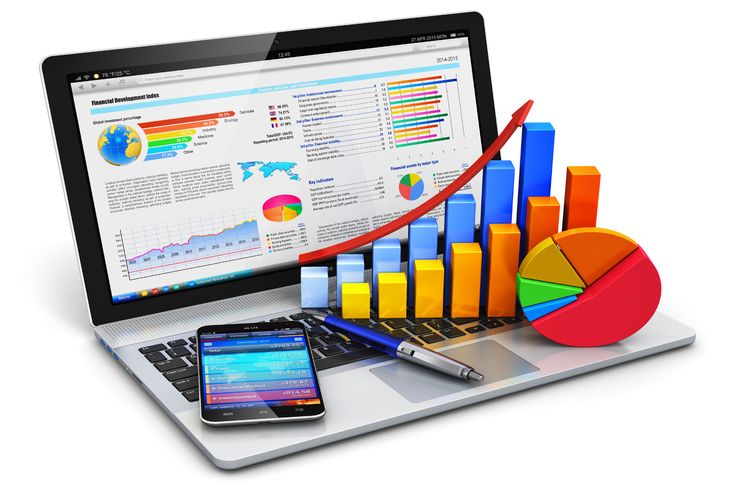
Web reporting is the process of collecting, analyzing, and presenting data through web-based platforms or online dashboards. It allows individuals and organizations to access real-time or periodic reports directly from a web browser without needing specialized software installed on their devices. Web reporting tools gather data from websites, applications, databases, or online systems and convert it into meaningful visual formats such as charts, graphs, and summaries.
why web reporting matters to you
our services

Data Collection
Gathering data from websites, applications, databases, and online systems using tracking codes or APIs (e.g., Google Analytics).
Data Integration
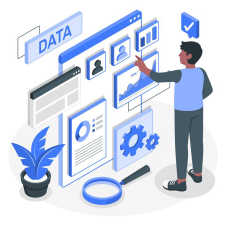
Combining data from multiple sources into one centralized system for unified reporting.

Data Processing and Analysis
Organizing, filtering, and calculating key metrics and KPIs using tools like Microsoft Power BI.
Report Generation
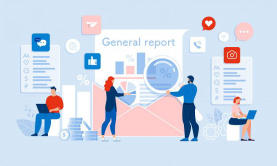
Creating structured reports in formats such as dashboards, tables, and summaries.
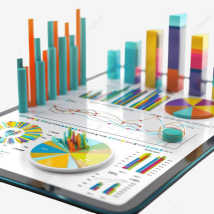
Data Visualization
Presenting data through charts, graphs, and interactive dashboards for easy understanding.

Real-Time Monitoring
Providing live data updates to track performance instantly.
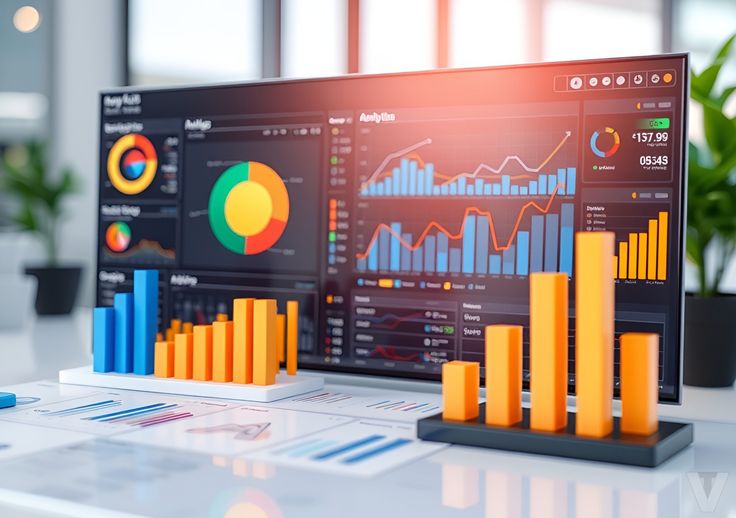
how web reporting works for your business
Web reporting works by collecting data from various online sources such as websites, cloud applications, and databases through tracking codes, APIs, or data connectors. The system then processes and organizes the data into structured formats. Analytical tools apply calculations and metrics, and the results are displayed through dashboards or downloadable reports. Users can log in to the reporting platform to view visual representations, compare time periods, and identify patterns or trends.
why you need reporting for your business
The need for web reporting arises from the growing dependence on digital platforms for business, education, healthcare, and government services. Organizations generate large amounts of online data daily, and web reporting helps transform this raw data into understandable insights. It enables decision-makers to monitor performance, track user behavior, measure marketing effectiveness, and evaluate operational efficiency.
benefits of web reporting
The benefits of web reporting include real-time access to information, improved accuracy, better collaboration, and cost efficiency. Since reports are available online, teams can access them anytime and from anywhere. Automated data collection reduces manual errors and saves time. Interactive dashboards allow users to filter and customize views according to their needs. Additionally, web reporting supports faster decision-making because updated data is always available for analysis.
frequently asked questions
Why is web reporting important?
It helps businesses understand user behavior, measure marketing effectiveness, optimize performance, and improve ROI.
What tools are commonly used for web reporting?
Popular tools include:
Google Analytics
Google Search Console
Adobe Analytics
Hotjar
SEMrush
What is bounce rate?
The percentage of visitors who leave a site after viewing only one page.